
By Femi Atolagbe
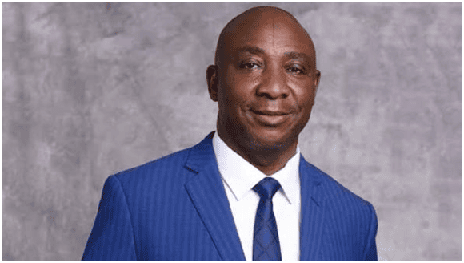
Ibrahim Gusau has resigned as President of the Nigeria Football Federation (NFF), alongside members of the federation’s Executive Committee and its General Secretary, Dr Mohammed Sanusi, bringing the administration to an abrupt end.
Gusau announced his resignation during a world press conference at the NFF headquarters in Abuja, where he confirmed that he was stepping aside with immediate effect.
The former NFF chief, however, said he was not aware of which specific members of his administration had submitted their individual resignations before the announcement.
The collapse of the Gusau-led administration follows months of escalating administrative turmoil, public criticism and growing scrutiny of the management of Nigerian football.
The federation had faced mounting pressure over the performance of the country’s national teams, with particular attention focused on the Super Eagles’ failure to qualify for the expanded 2026 FIFA World Cup.
The Super Falcons have also come under scrutiny following their reported failure to secure qualification for the FIFA Women’s World Cup.
Beyond the teams’ performances, the NFF administration had been confronted by growing questions over its financial management and integrity.
Security agencies, including the Department of State Services (DSS), were reported to have opened investigations into the federation’s accounting practices, with particular focus on the handling of multi-billion-naira Federal Government intervention funds intended to clear outstanding payments to national team players and officials.
Pressure on the federation intensified further following the leak of an official fact-finding committee report.
The report reportedly uncovered allegations of systemic corruption, including claims that some board members and management staff received incentives to influence national team player selections.
The allegations added to calls from football stakeholders and other concerned parties for sweeping reforms within the federation.
Gusau’s resignation, coming amid the financial scrutiny, investigations and growing demands for accountability, marks a major turning point in the governance of Nigerian football.
The immediate challenge for the authorities will be to establish a credible transition and address the financial, administrative and sporting concerns that have deepened the crisis within the federation.